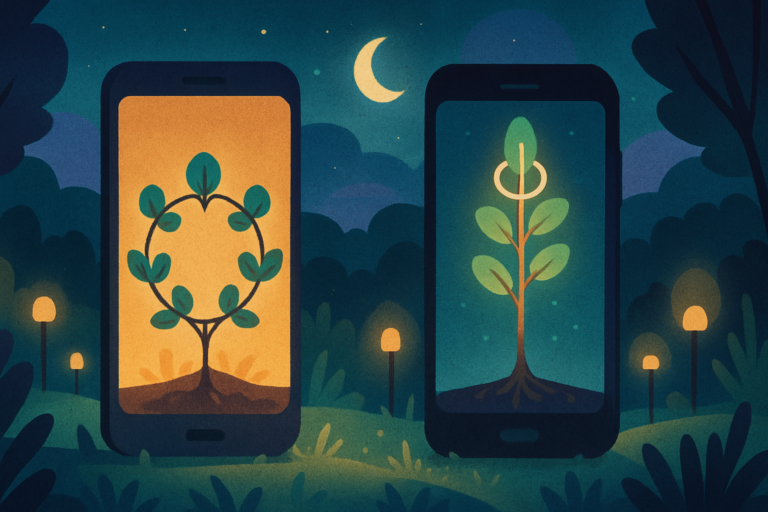


If you are looking for a Habitica alternative, you have probably already figured out the real problem. The punishment.
Habitica turns your habits into a role-playing game where you take damage and lose progress when you slip. For a lot of people, especially anyone with ADHD, that mechanic backfires.
It starts motivating and ends up as one more thing making you feel like you are failing. The best Habitica alternative is one that keeps the motivation and drops the guilt.
I build habit and focus apps under softDev23, and I think hard about this exact problem, so I will be upfront where my own app is relevant. But most of this is about what to actually look for, because the right alternative depends on why Habitica stopped working for you.
Why do people leave Habitica in the first place?
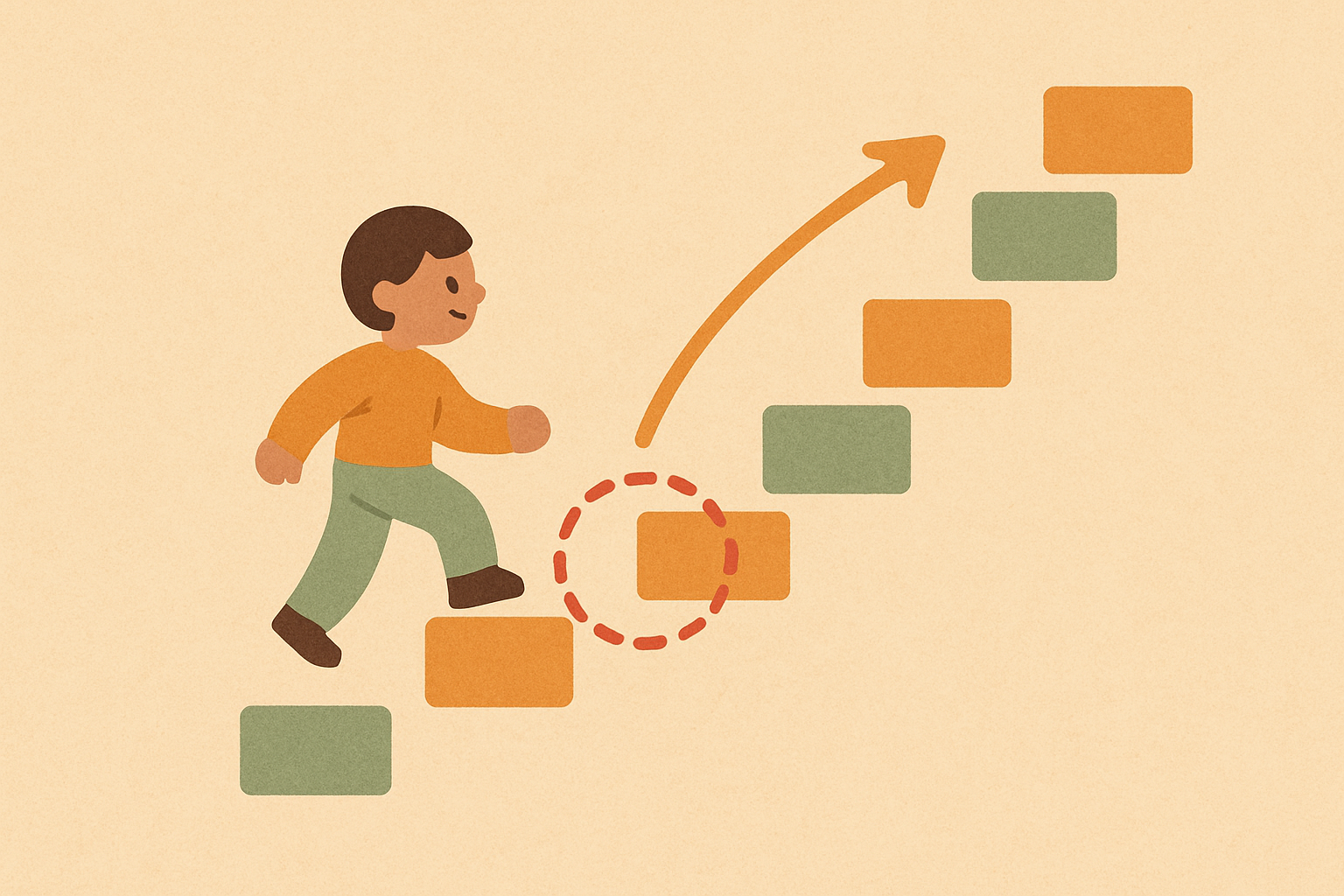
Habitica is a genuinely clever app, and for some people, the RPG framing is exactly the hook they need. But the most common reasons people go looking for an alternative are pretty consistent.
The punishment mechanics. Losing health and progress for a missed habit can turn a bad day into a spiral, and it makes the app feel like something you are losing at rather than something helping you.
The complexity. Habitica has a lot of systems. Stats, gear, parties, and quests. For some, that is fun; for others, it becomes overhead, and managing the game starts to cost more energy than the habits themselves.
The streak pressure. Like a lot of habit apps, it can make an unbroken chain feel like the point, so one miss feels like it ruins everything, and you quietly give up.
If any of those are why you are here, that tells you what your alternative needs to fix.
What to look for in a Habitica alternative
The best Habitica alternative for you is the one that solves the specific thing that pushed you away, so it helps to be honest about which problem you are actually solving.
If the punishment was the issue, look for an app that motivates with rewards and progress rather than penalties. You want to feel like you are building something, not defending a health bar.
If the complexity was the issue, look for something simpler that does habits well without an entire game economy to manage. Less to maintain means more chance you actually keep using it.
If the streak pressure was the issue, look for an app that is forgiving about misses, where the design does not make a single slip feel like total failure. Flexibility is the whole point for an ADHD brain.
And if you came to Habitica mainly for tasks rather than habits, you may actually want a gentle task manager instead. Some of the better Todoist alternatives cover that ground without the gamification at all.
Gamification should reward, not punish
The core lesson, and the thing I build around, is that gamification works when it rewards effort and breaks when it punishes failure. Both use game mechanics, but they point in opposite directions.
Reward-based design celebrates the days you show up and stays quiet on the days you do not. It builds a sense of progress and momentum that pulls you back.
Punishment-based design does the opposite. It raises the stakes of missing, which feels motivating right up until the first bad week, and then it becomes a source of dread you avoid.
For ADHD, especially, punishment is the wrong lever, because missed days are not a willpower failure to be penalized. They are just part of how the week goes.
An app that gets this treats a miss as no big deal and makes coming back easy, instead of making you feel like you blew it. That same low-guilt idea is the heart of my post on building a dopamine menu for ADHD.
The best Habitica alternative depends on why you left
So when someone asks me for the single best Habitica alternative, the honest answer is that it depends on which of Habitica’s problems hit you hardest, and you should pick for that.
If you liked the game feel but hated the penalties, look for a habit app that keeps a sense of progress, journey, or growth without taking anything away when you slip.
If you found the whole RPG layer exhausting, look for a clean, simple habit tracker that just helps you check in without a world to manage.
If streaks were the trap, look for an app that is explicitly forgiving about breaks. And if you really wanted task management, switch categories entirely to a low-pressure to-do app.
I am deliberately not crowning one universal winner, because there is not one. The right pick is the one that removes your specific friction, and that is a personal call no roundup can make for you.
The no-guilt angle, and where my app fits
The reason I care about this is that it is exactly why I built my habit app, Habitual, the way I did. It is designed around a journey and steady progress rather than streaks and penalties, so a missed day does not punish you or reset anything.
That came directly from being frustrated with apps that made me feel worse for slipping.
I want to be clear that Habitual is my own app, so treat that as a builder telling you his bias, not a neutral review. The broader point holds no matter what you choose. If Habitica’s punishment is what pushed you out, the thing to look for is reward-and-progress design, whether that is my app or someone else’s.
If you want the wider context, I keep an honest list of what I actually use in my post on the best apps for ADHD.
What gamification gets right
It is worth being fair to the idea, because gamification is not the problem. Done well, it works.
Turning an invisible habit into something with progress, feedback, and a small reward is a real way to get an under-stimulated brain to engage. That is why Habitica took off in the first place, and why people keep looking for something like it rather than dropping the concept entirely.
The fix is not to abandon the game. It is to keep the parts that pull you forward and cut the parts that punish you for being human. Reward the showing up, and the same mechanics that burned you out start working for you instead. ADDitude has a good piece on why rewards land harder for ADHD brains.
A quick test before you switch
Before you download anything, run a five-minute test on yourself. Think back to the last habit app you quit, and finish this sentence. I stopped using it because ______.
If the answer is that you felt bad every time you missed, you want a reward-based design. If it is that the app got too complicated, you want something simpler. If it is that you broke a streak and gave up, you want an app that does not track streaks at all.
The answer tells you exactly what to look for, and it stops you from switching to a different app with the same flaw. Most people who bounce between habit apps are re-buying the same problem in new packaging.
Switching without losing momentum
The riskiest moment is the switch itself, because a fresh app with zero history feels like starting from nothing.
Keep it small. Move over only the two or three habits that actually matter, not your entire old list. A short list you keep beats a complete list you abandon in a week.
And give the new app a fair trial of a few weeks before judging it. The first days of any habit tool feel awkward. What matters is whether you are still opening it once the novelty wears off, which is the test that decides every tool in this space.
One more thing if you used Habitica socially. If a party or friends were what kept you going, recreate that pull rather than the whole game. The accountability of other people is what actually helped, not the gear and the quests, and almost any tool gives you that with a shared list or a simple check-in buddy.
The bottom line
A Habitica alternative is not really about finding a better game. It is about finding a tool that motivates you without making you feel like you’re losing.
Habitica works for the people the RPG framing genuinely energizes, and it quietly hurts the people it makes feel like they are failing. If you are in the second group, the fix is a design that rewards showing up and forgives slipping.
If you are also sorting out the time side of things, my post on the best calendar app for ADHD comes at this from the scheduling angle.
So start from why Habitica stopped working for you, match the alternative to that specific reason, and be skeptical of any habit app that leans on punishment or unbroken streaks to motivate you. For a lot of us, that is the exact thing that does not work, and avoiding it is the whole reason to switch.