


Two House committees sent formal letters this year to Airbnb and to Cursor’s parent company, asking why their products run on AI models built by Alibaba and Moonshot AI. That is a real congressional investigation, not a rumor.
It raises a question a lot of solo developers quietly have. Is it actually fine to build on Chinese AI models?
The short answer is yes, for the same reason the government’s ban campaign keeps running into a wall. Here is what an open-weight model actually is, why it cannot be un-shared once it exists, and what any of this means for your own stack.
What open weight actually means
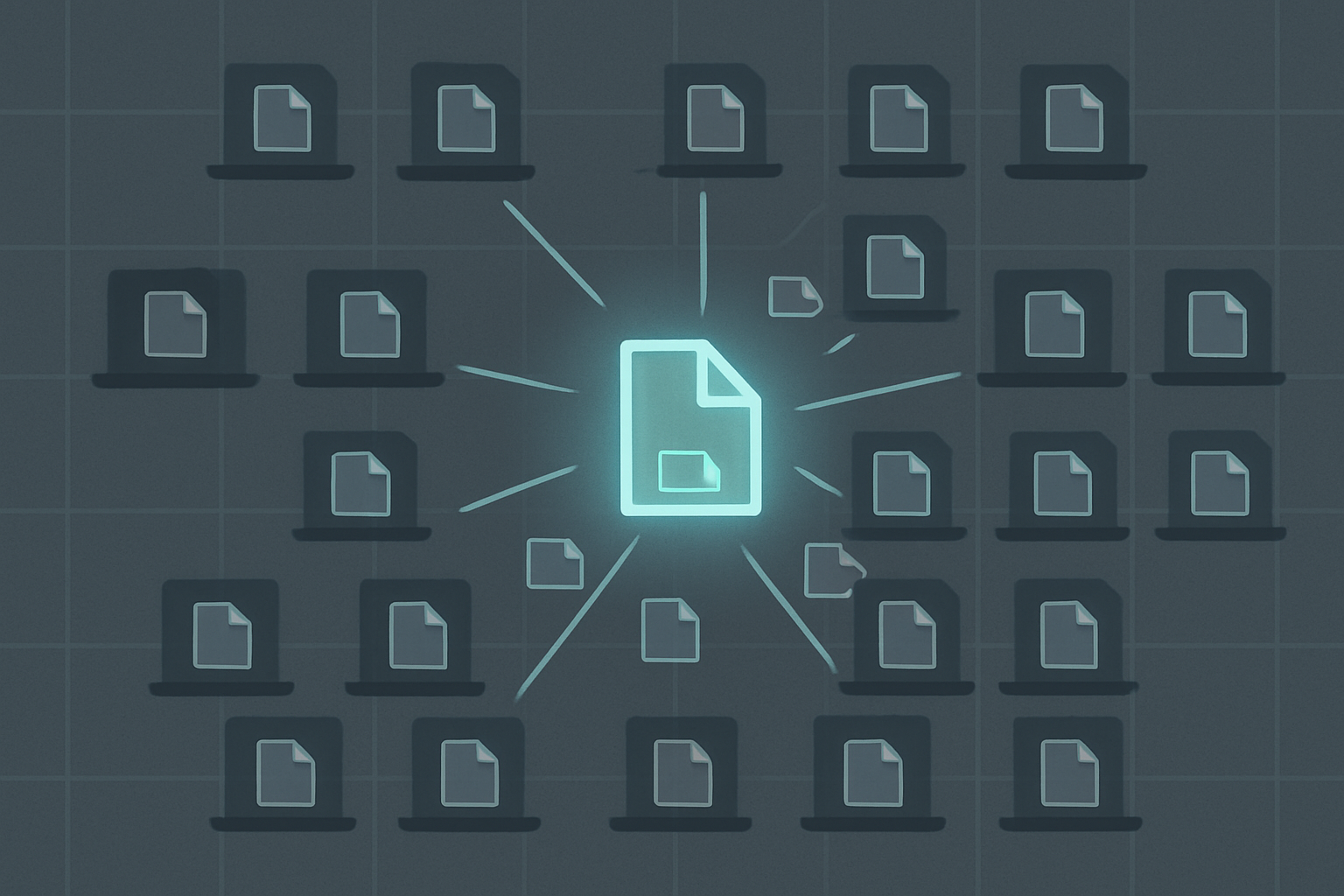
When a lab releases a model’s weights, it publishes the trained parameters that decide how the model responds to anything you send it. Anyone can download that file, run it on their own machine, modify it, or redistribute it.
No account, no permission, no ongoing relationship with the company that built it.
That is different from Claude or GPT, which only run on their maker’s servers under that company’s terms. Once a model’s weights are out, they behave like a file, not a service someone can revoke.
Why the ban campaign keeps hitting a wall
Congress has real bills moving. The No DeepSeek on Government Devices Act would pull DeepSeek off federal systems.
Senator Josh Hawley’s Decoupling America’s Artificial Intelligence Capabilities from China Act would go much further, criminalizing importing Chinese AI technology entirely, with penalties up to 20 years in prison for individuals.
None of that changes the fact that a model’s weights, once downloaded onto hundreds of thousands of machines outside US jurisdiction, cannot be recalled.
The US tried something similar with encryption software in the 1990s and gave up once a federal court ruled that source code counted as protected speech. Open-weight models are running into the same physics.
The one place the government does have leverage
Chips are physical, which is why export controls on advanced Nvidia hardware remain the one control that actually sticks. A model’s weights behave like information. A chip has to be manufactured, shipped, and installed somewhere, which makes it trackable in a way a downloaded file never will be.
That is the real distinction underneath the whole fight: the government can plausibly restrict hardware, and it cannot un-publish a file that already exists on machines it does not control.
What this actually means if you are a solo developer
The congressional scrutiny on Airbnb and Cursor is a procurement and disclosure story about large public companies, not a statement that using these models is illegal for you. Downloading and running an open-weight model on your own machine, or calling it through an API host, is legal today.
The practical risk that does exist is reputational and compliance-shaped rather than legal, which matters more if you are selling into regulated industries or enterprise customers than if you are shipping your own app or running your own backend.
Where this gets useful is deciding when the cost savings of an open-weight model are actually worth it for your own work. I broke that down with real numbers in DeepSeek vs Claude, including where I still keep Claude in my own stack despite the price gap.
Open weight AI models, quick answers
What does open weight mean in AI? The model’s trained parameters are published publicly, so anyone can download, run, and modify the model without the original company’s ongoing involvement.
Is it legal to use Chinese open-weight models like DeepSeek or Qwen? Yes, for individuals and small businesses. The current congressional scrutiny targets large companies’ procurement decisions, not personal or indie use.
Can the US actually ban Chinese open-weight models? Not the files themselves once they are downloaded. The government’s real leverage is over the physical hardware these models run on, not the weights.
Why do companies like Airbnb use them anyway? Cost. Open-weight Chinese models are frequently a fraction of the price of comparable closed models for the same workload.
Where this fits
I write about the actual tools and tradeoffs behind running a one-person software business, including the ones that come with a headline attached. If a connected system that tracks this kind of decision for you interests you, join the Tandri waitlist.