
Anxiety does not wait for a convenient time. It floods in with a racing heart, a looping mind, and the urge to escape, and in that moment, “just relax” is useless advice.
Coping skills for anxiety are the small, specific things you do to ride the wave down instead of being swept under, and the ones that actually work are matched to what anxiety is doing to you right then.
I build small wellbeing tools under softDev23, and the most useful thing I have learned about anxiety coping skills is that a long list does not help in the moment. What helps is having a few you trust, sorted by the kind of anxiety you are having.
Here they are, grouped that way, with an honest note up front: these are tools for everyday anxiety, not a replacement for treatment, and if anxiety is running your life, it is worth talking to a professional.
What are coping skills for anxiety?
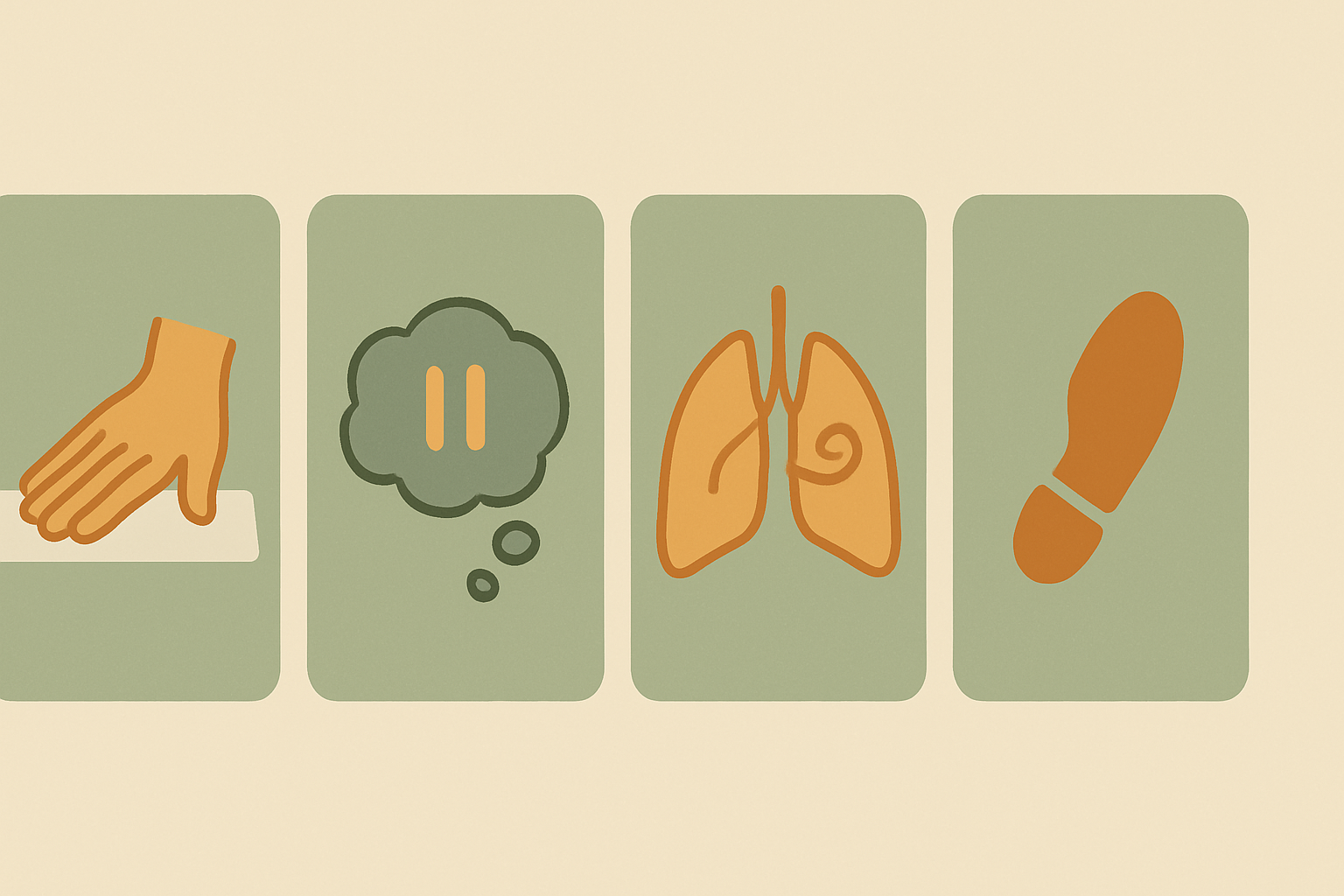
Coping skills for anxiety are deliberate actions that calm your nervous system or quiet anxious thinking enough to function. The good ones share a trait: they work with how anxiety operates instead of fighting it. Anxiety is your fight-or-flight system firing when there is no real danger, so the skills that help either signal safety to your body or give your racing mind one simple thing to hold.
It helps to split them by what anxiety is doing, because a sudden spike of panic needs something different from a slow grind of worry. Below, they are grouped into four: in-the-moment spikes, racing thoughts, physical symptoms, and the avoidance anxiety pushes you toward.
In-the-moment skills for when anxiety spikes
When anxiety surges fast, you need something physical and immediate that does not require clear thinking, because clear thinking is the first thing to go. Reach for these the moment you feel it climbing.
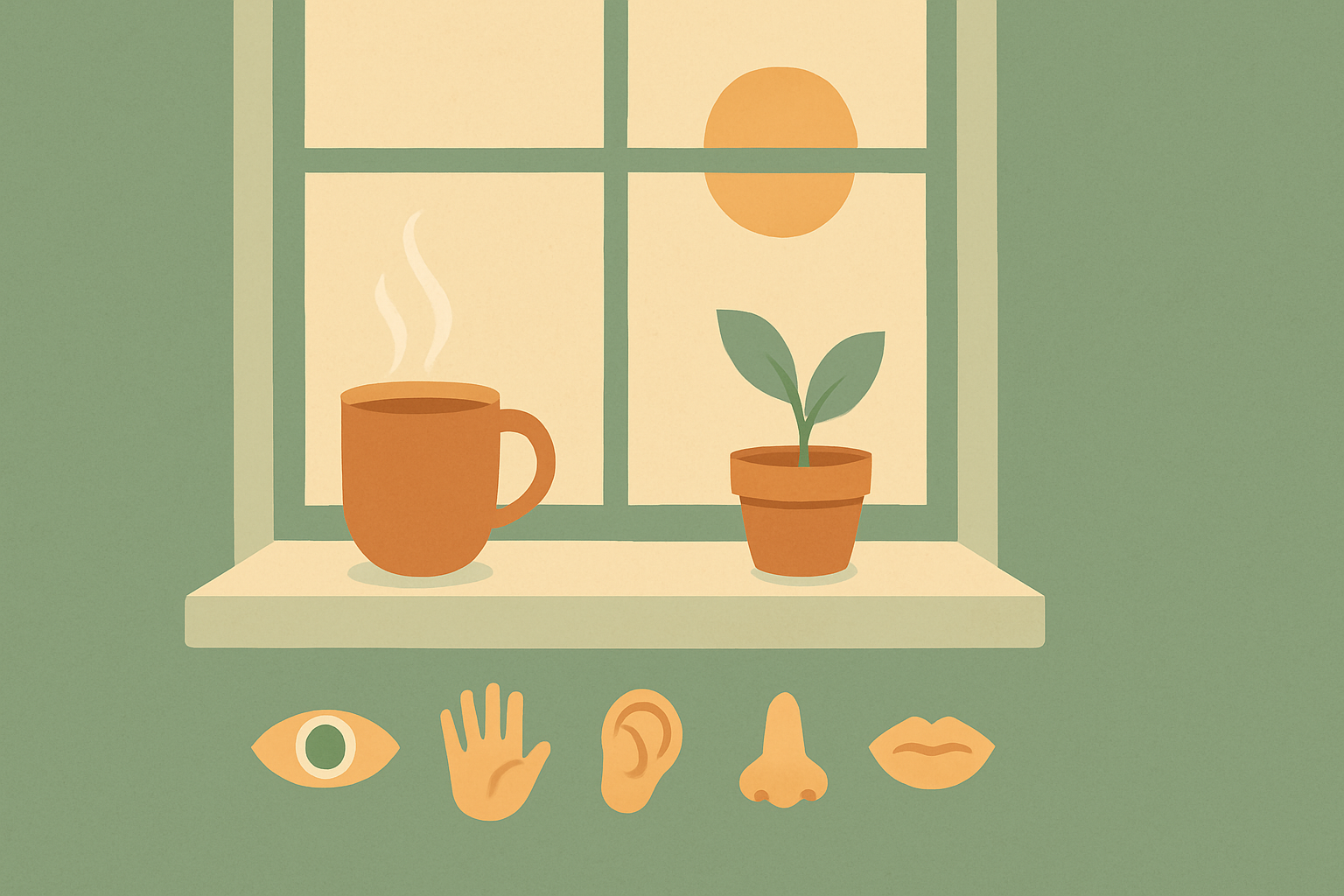
The 5-4-3-2-1 grounding technique, naming five things you see, four you feel, three you hear, two you smell, and one you taste (the version from the University of Rochester Medical Center is the one most people learn).
Slow breathing with a longer out-breath than in-breath, which the NHS recommends as a calming technique you can do anywhere. Cold water on your face or hands, or holding something cold, to interrupt a panic spiral. Pressing your feet into the floor and naming out loud where you are and what you are doing. A brisk walk or shaking out your arms to burn off the adrenaline.
Skills for racing, looping thoughts
When the anxiety is a thought you cannot stop circling, the goal is not to win the argument with it. It is to create a little distance so the thought stops feeling like a fact.
Name the thought: “I am having the thought that…” rather than treating it as the truth. Write the worry down to get it out of your head and onto paper. Ask whether this will matter in a year.
Postpone the worry to a set “worry time” later, so you are not arguing with it now. Check the actual evidence for and against it, on paper. Talk to yourself the way you would talk to a friend who had the exact same worry, which is almost always kinder and more reasonable than your inner voice.
Skills for the physical symptoms of anxiety
Anxiety is physical: a racing heart, a tight chest, shallow breath, restless energy. Settling the body is often the fastest way to settle the mind, because the two run on the same loop.
Long, slow exhales, since the out-breath is the part that calms the nervous system. Progressive muscle relaxation, tensing and then releasing each muscle group from your feet up.
A warm drink held in both hands. Moderate exercise to discharge the adrenaline that anxiety has dumped into your system. A hand on your chest, feeling it rise and fall. And cutting back on caffeine, which quietly amplifies every physical symptom of anxiety and is easy to overlook.
Skills for anxiety-driven avoidance
Anxiety’s favorite move is to get you to avoid the thing you are anxious about. Avoiding it feels better for a minute and makes the anxiety stronger over time, because you never get to learn that you could handle it. These longer-game skills push gently against that.
Take one tiny step toward the avoided thing instead of facing the whole thing. Break the scary task into pieces and do only the smallest. Set a short timer and commit to just that. Tell one person what you are avoiding, which makes it real and a little less heavy. And keep a note of times the feared outcome did not happen, because anxiety has a short memory for its own false alarms.
How do you build your own anxiety coping toolkit?
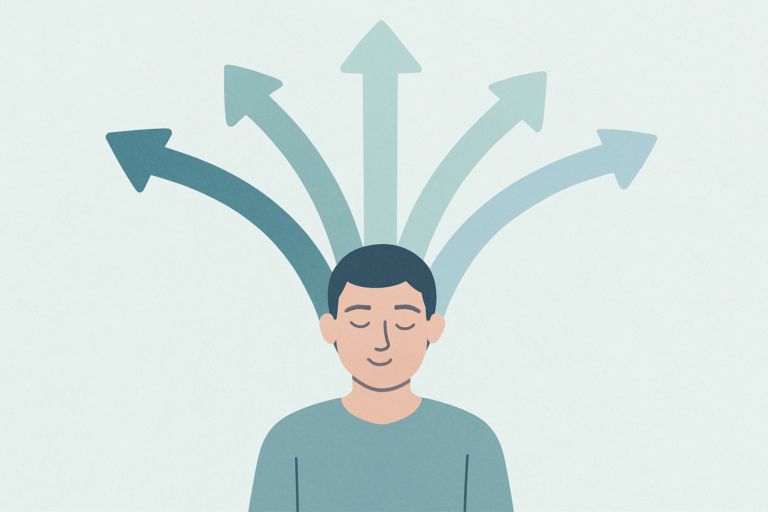
Do not try to use all of these. Pick a few from each group that genuinely help you, and practice them on a calm day so they are familiar when anxiety hits. Anxiety steals your ability to remember good options at exactly the moment you need them, so the skill you have rehearsed beats the perfect one you cannot recall.
The fix is to write your chosen skills down somewhere you can reach in seconds. That is what a coping skills menu is for: a short, personal list you keep on your phone or wall so the right skill is one tap away.
If you want a quick way to build one, I made a free coping skills menu builder that walks you through grounding, soothing, and thinking options and lets you save or print the result.
It pairs with a longer coping skills list if you want more options, and with a self-care menu or dopamine menu for the hard days that are heavy rather than anxious.
If supportive apps would help too, I keep an honest list of the best apps for ADHD, several of which help with exactly this kind of regulation.
When coping skills for anxiety are not enough
These skills genuinely help with everyday anxiety, stress, and the occasional spike of panic. They are not a cure, and they will not resolve an anxiety disorder on their own.
If anxiety is frequent, intense, or getting in the way of your life, please treat that as a sign to reach out to a doctor or mental health professional. Anxiety is one of the most treatable things there is, and coping skills work best alongside real support, not instead of it.
Anxiety can be a heavy thing to carry, and if any of this is hitting close to home, reaching out to someone who can help is a strong move, not a weak one.