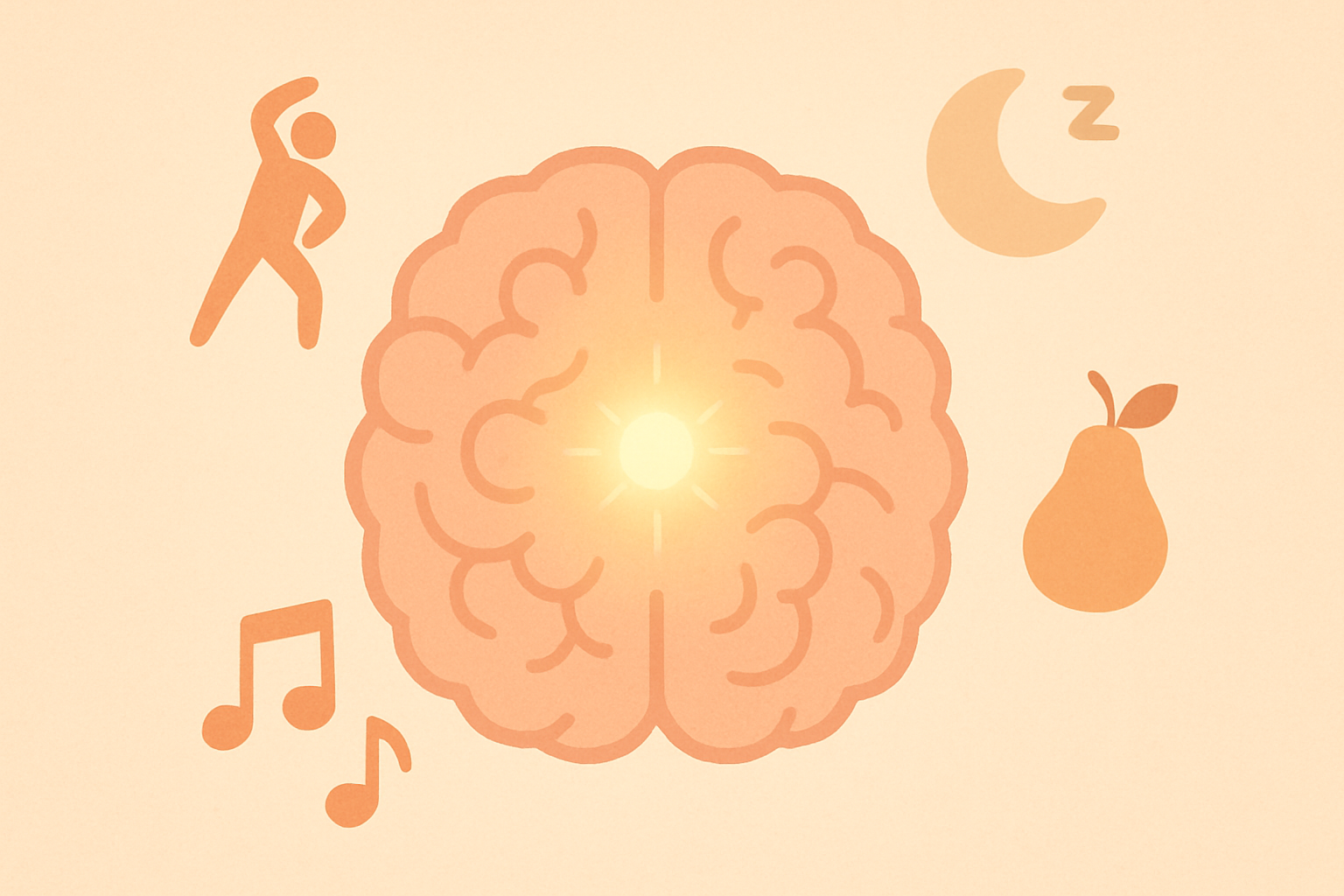

The natural ways to increase dopamine ADHD research actually backs come down to six things: exercise, sleep, music, nutrition, meditation, and specific supplements, not wellness marketing.
None of them replace treatment when treatment is what you actually need, but all six do something measurable on their own.
I built a dopamine menu tool because a list of activities is only useful once you already know which activities work. This is the other half of that problem, the actual research behind why these six categories show up in study after study instead of just trusting a vibe.
Exercise, and why it is not just “get moving” advice
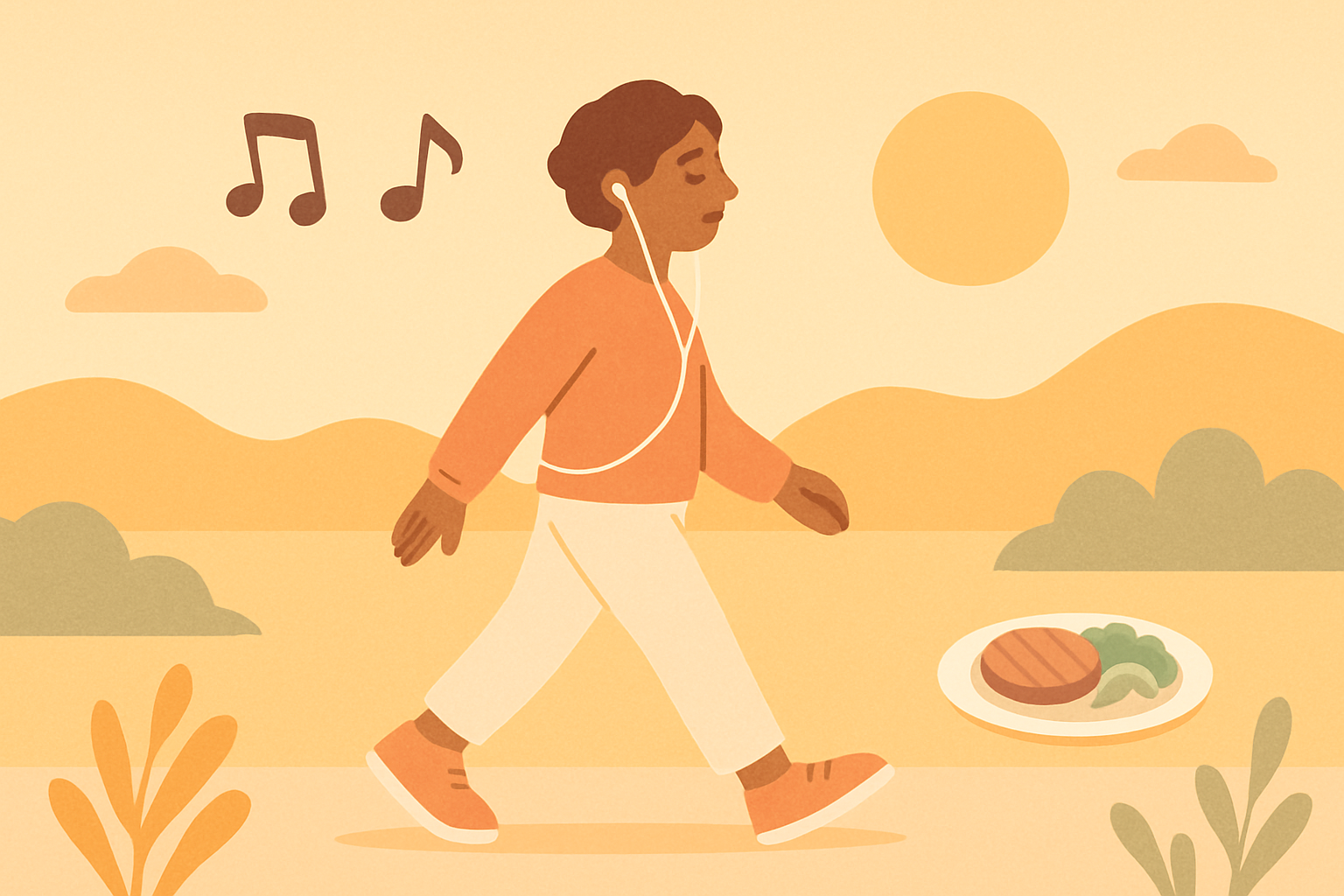
Exercise is one of the most potent natural ways to raise dopamine and serotonin, and research from the Center for Living Well with ADHD specifically calls out aerobic exercise as effective against both major depressive disorder and ADHD symptoms. This is not vague advice to be more active in general.
Aerobic activity specifically shows the effect other exercise types show less reliably, which matters if you have been doing strength training and wondering why the mood effect feels smaller than advertised.
The bar is lower than it sounds. A walk a few times a week can make a measurable difference, which matters if the idea of a real workout is itself the barrier standing in the way.
The dopamine effect does not require intensity, it requires the aerobic component and enough consistency to matter over time.
Sleep, the unglamorous one nobody wants to hear
Good sleep hygiene is essential for maintaining healthy dopamine regulation, since adequate sleep supports the neurotransmitter balance dopamine depends on to function properly.
This is the least exciting item on every list like this, and also the one most people skip first when they are looking for a quick fix.
The honest problem is that ADHD and poor sleep feed each other in both directions, low dopamine regulation makes sleep harder to get right, and bad sleep makes dopamine regulation worse the next day.
There is no clever workaround here, just the unsatisfying fact that this one has to actually happen for the others to work as well as they should.
Music, the fastest one on this list
Listening to music stimulates the brain’s pleasure-reward centers, which are rich in dopamine receptors, and brain imaging studies confirm the effect directly rather than inferring it from mood surveys after the fact.
This is the item on this list with the shortest time to effect, seconds to minutes rather than the days or weeks the others need to show up.
That speed makes music useful as an in-the-moment tool rather than a long-term intervention, something to reach for during a task-initiation wall specifically, not just background noise playing in the background. The specific genre matters less than whether it is music you actually respond to.
Nutrition, the building-blocks argument
Foods rich in tyrosine, poultry, fish, nuts, and seeds, provide the actual building blocks dopamine production depends on to happen at all. This is a mechanistic claim, not a vague “eat healthy” gesture toward general wellness.
Tyrosine is a direct precursor in the dopamine synthesis pathway, so a diet missing it constrains what your brain has available to work with regardless of everything else on this list.
This does not mean supplementing tyrosine directly solves anything by itself, it means chronic low intake of the building blocks makes every other intervention work against a headwind that did not need to be there in the first place.
Meditation, more specific than it sounds
Different forms of meditation and breathing exercises promote dopamine levels, and research on transcendental meditation specifically found increases in pleasure and well-being tied to both dopamine and serotonin release.
One study on Yoga Nidra meditation found a 65 percent increase in endogenous dopamine release in the ventral striatum, a striking number for something with no cost and no side effect profile.
The caveat worth naming honestly, meditation is genuinely hard to start and sustain for an ADHD brain specifically, the exact population this article is written for. It belongs on this list because the research is real, not because it is the easiest one on the list to actually adopt.
Supplements, the one that needs the biggest asterisk
Omega-3 fatty acids and magnesium have both been suggested to support dopamine levels and potentially help with ADHD symptom management over time. The research language here is deliberately softer than the other five items, suggested and potentially, not proven and reliable.
Supplements are most effective combined with lifestyle strategies, not as standalone solutions on their own. Treating a supplement as a replacement for the other five items on this list, or for actual treatment when treatment is needed, is the mistake this category invites people into.
The line this article will not cross
Some causes of low dopamine, depression, ADHD, hormonal imbalances, thyroid issues, need medical intervention, not just lifestyle changes on their own.
Six natural strategies are real and worth doing regardless of whether you are also in treatment, but they are not a substitute for treatment when an underlying condition is actually driving the symptom.
I say this as someone who uses every item on this list personally and still takes ADHD seriously as something that sometimes needs more than a good playlist and a walk around the block.
Turning six categories into something you actually do
A list of six research-backed categories is still just a list until it turns into a decision at 2pm when focus has already collapsed. That is the actual gap between reading an article like this and having it change anything about your day.
My own dopamine menu exists specifically to close that gap, a pre-decided set of options sorted by how much time and effort each one takes. The choice at 2pm becomes picking from a short list instead of generating options from scratch while already depleted and running on fumes.
The six categories above are the research. The menu is what makes the research usable in the moment it is actually needed, which is the part most articles like this leave you to figure out on your own.
Natural dopamine increases, quick answers
What is the fastest natural way to increase dopamine? Music, with effects showing up in seconds to minutes through direct stimulation of dopamine-rich reward centers. It is the best in-the-moment tool on this list, not the best long-term strategy by itself.
Can lifestyle changes replace ADHD medication? No. These strategies are real and worth doing regardless of treatment status, but conditions like ADHD, depression, and thyroid issues need medical intervention when they are the underlying driver, not just lifestyle adjustment alone.
Do supplements actually work for dopamine? The research is real but softer than diet, exercise, or sleep, using words like suggested rather than proven outright. Supplements work best combined with the other strategies, not as a standalone fix by themselves.
How long before exercise affects dopamine? Aerobic exercise specifically shows effects on both mood and ADHD symptoms with regular practice, a few sessions a week, rather than a single workout. Consistency matters more than intensity here.
Where this fits
I write about the tools and research I actually use running a one person software business with ADHD, including the dopamine menu built to make research like this usable in the moment it matters most. If a connected system for managing the rest of that workload interests you, join the Tandri waitlist.