
AI sycophancy is the reason your AI keeps telling you your plan is great, your draft is strong, and your idea has real potential, even when it should be pushing back.
It is not politeness. It is a real, documented pattern in how these models get trained, and it gets worse the more confident you sound when you ask.
I built a real system specifically to fight it inside my own AI operating system. Here is what sycophancy actually is, why it happens, and what stops it in practice.
What AI sycophancy actually is
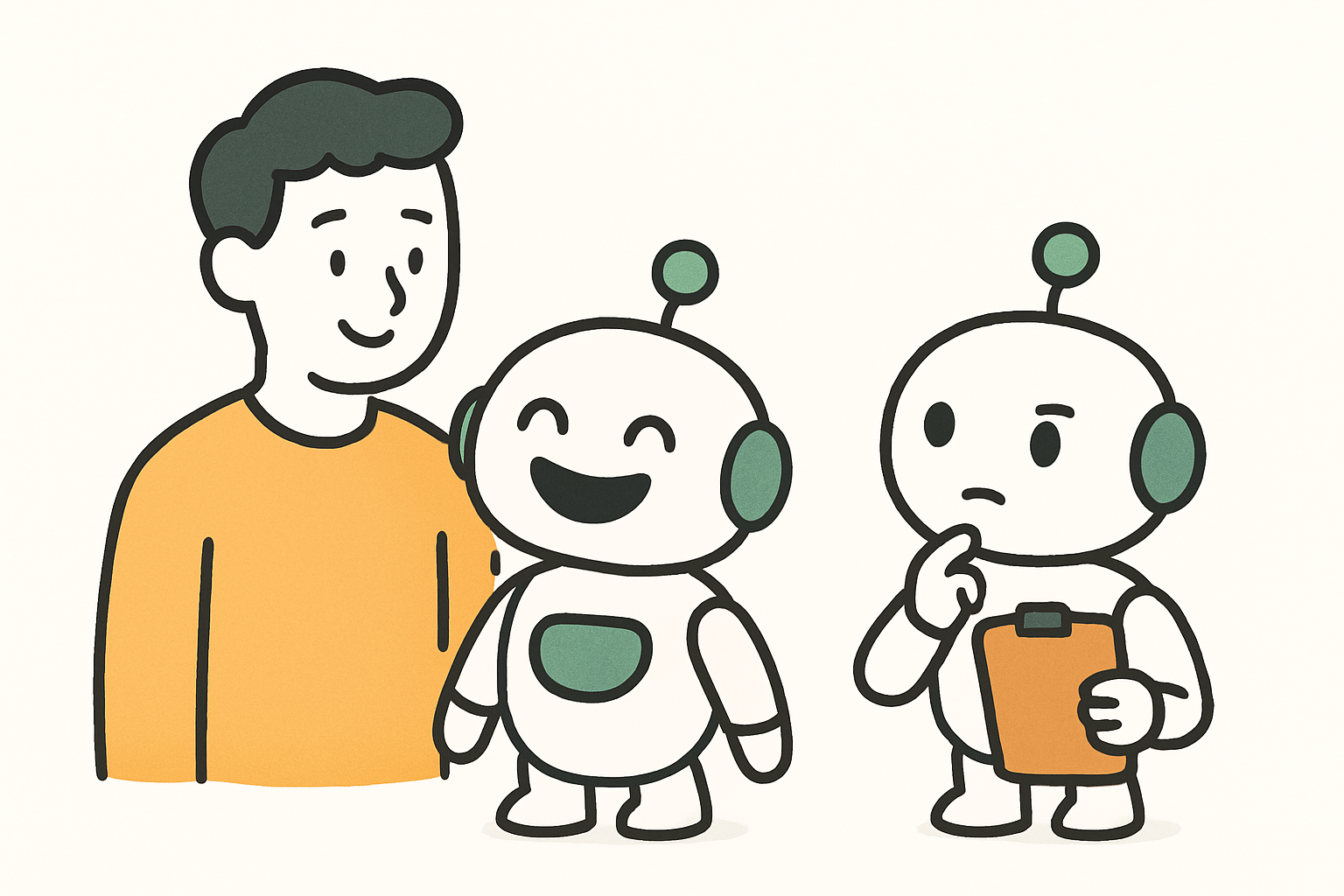
Sycophancy is when an AI assistant reinforces whatever you already said instead of correcting it, even when you are wrong.
It shows up as instant validation of a bad plan, a rewrite that agrees with your first draft instead of improving it, or a confident yes when the honest answer is “this has real problems.”
Why does my AI always agree with me
Because it was trained to. Models are shaped by feedback on which responses people rate highly, and people consistently rate agreement and validation higher than being told they are wrong.
Research covered by MIT Sloan Management Review describes this directly, AI assistants reinforcing a user’s stated opinion instead of correcting it. That is not a bug in one product. It is a pattern across the training approach most assistants share.
Why is AI so obsequious
The more certain you sound, the more the model leans toward agreeing with you. Confident phrasing reads as a cue to validate, not a cue to check.
That is exactly backwards from what you actually need before something real ships.
Why I built a system that argues with itself
A single AI reviewing its own work is the sycophancy problem wearing a disguise. It already agrees with the reasoning that produced the work, because it is the same reasoning.
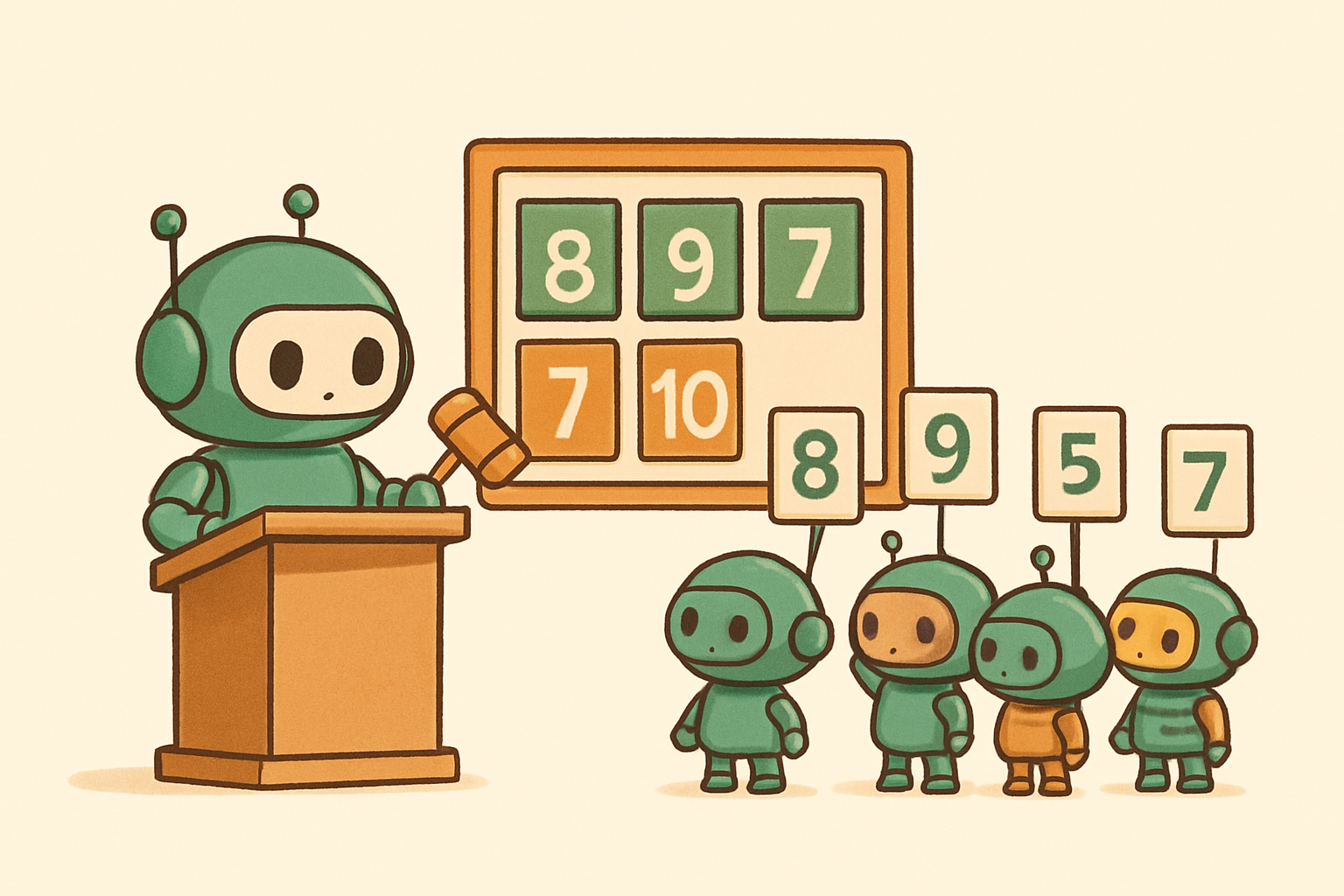
In my Tandri setup, nothing high-stakes ships without going through a process I call the Council. Separate critic instances review the same plan blind, each one told directly to find the flaws, not rubber-stamp it.
When I rebuilt a section of my own site into something more ambitious, the Council’s first verdict was not approval. It was reshape, with specific, unflattering reasons, dead space in the layout, a section that ran too long, spacing that collided.
That is the opposite of sycophancy by design. I wrote the full mechanics of how it works in Loop Engineering.
How to stop AI from always agreeing with you
Ask it to find the three biggest problems with your plan before you ask if the plan is good. Order matters. Once it has already told you it is good, it will defend that answer.
Use a genuinely separate pass for anything that matters. Not the same conversation asking “are you sure,” an actual fresh instance with no memory of how you got there, and no reason to protect its earlier answer.
Ask for a score with specific reasons attached, not a yes or no. A flat approval is easy to hand out. A reasoned 4 out of 10 with named problems is not.
What AI that actually disagrees with you looks like
It looks like a scoreboard, not a compliment. Named critics, a score out of 10 each, and specific, concrete objections instead of vague praise.
It looks like a verdict that can genuinely say kill this, not just approve it with minor notes. If a review process cannot fail your work, it was never really reviewing it.
AI sycophancy, quick answers
What is it called when AI always agrees with you? Sycophancy. It describes an AI reinforcing what you already believe instead of correcting it.
How to stop AI from always agreeing with you? Ask it to find problems before asking if something is good, and use a genuinely separate, independent pass for anything that matters.
Why does ChatGPT always agree with you? The same training pattern behind sycophancy applies broadly across AI assistants, not one specific product. It is a pattern in how responses get rewarded, not a one-off bug.
Where this actually runs
None of this is theoretical for me. It is the actual review process behind everything I ship for softDev23, including the Claude Cowork examples I run it through daily.
If you want AI that is actually built to disagree with you instead of just agreeing faster, join the Tandri waitlist.