
I started my programming journey in 2023. By 2026, I had shipped three iOS apps to the App Store and a fourth in beta. Not bad for someone who started from scratch three years ago.
Related: Follow my build-in-public series on creating an AI operating system.
But the real shift happened when I started using AI coding agents as part of my daily workflow. It did not replace the work. It changed what I could ship on my own.
Here is the honest story of how I built Think Drink, Habitual, and Mana using AI tools, and what I learned about where they help and where they get in the way.
The Learning Experiment: Think Drink
Think Drink was my first app. A simple hydration tracker. I built it to learn SwiftUI and SwiftData. No business model, no marketing plan. Just a free app to teach myself the basics.
I built it with the help of Cursor. It was a lot of late nights working with Apple documentation and trial and error. It only took me weeks, but I spent many hours every day learning and building. The app had maybe 100+ users at one point. But it taught me everything I needed to build the next one.
At the time, I was also learning how to use AI tools. It turned out that they helped far more than I thought.
Finding AI Coding Agents
Around the time I started Think Drink, I discovered AI coding tools. I tried a few different ones. The problem with most of them was the same: every new chat was a fresh reset. I spent more time explaining my architecture and app context than I did actually getting help.
Then, around the time I was finishing up with Habitual, I finally tried Hermes Desktop. It is a desktop GUI for the Hermes Agent, an open-source AI agent by Nous Research. What made it different was the memory system. It remembered my project context across sessions. I did not have to re-explain my architecture decisions every time I started a new chat.
That alone changed my workflow.
How I Actually Use AI in My Workflow
When it comes to my AI workflow, I use it for three specific things:
Architecture discussions. When I am designing a new feature, I describe what I want to build and discuss the best approach. The AI can point out edge cases I missed and suggest patterns I had not considered. It is like having a senior developer to bounce ideas off, minus the ego.
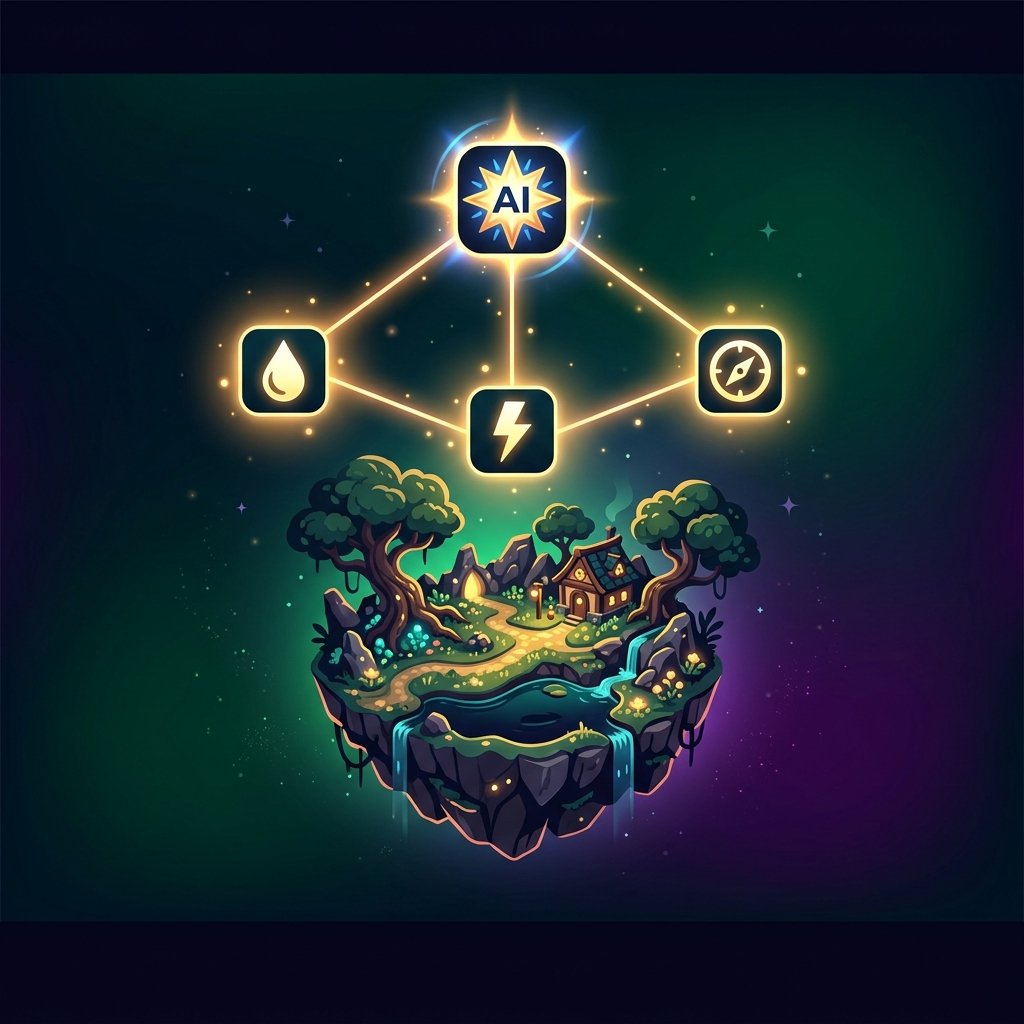
SwiftUI and SwiftData questions. Apple’s documentation is thorough but dense. Being able to ask specific questions about API behavior and get concrete answers saves me hours of digging through docs.
Code review. Even though I have the AI write code, I noticed I could have multiple models work together. For instance, if I have Gemini implement a plan we worked on and write the code, I would never fully trust it.
What I like to do is have specialized agents audit and test the code, using a different LLM than the one that wrote it. So, for instance, I ask Claude to review it for potential bugs, performance issues, and Swift best practices as the audit agent specialization. It catches things that Gemini would miss if I just had the same model do a code audit.
The key is that I am still working closely with the AI, not just writing one-shot prompts. The AI is a collaborator, not a replacement for my creativity and understanding of workflows.
What I Built
Think Drink was my learning project. Simple, free, nobody uses it. Worth every hour I spent on it.
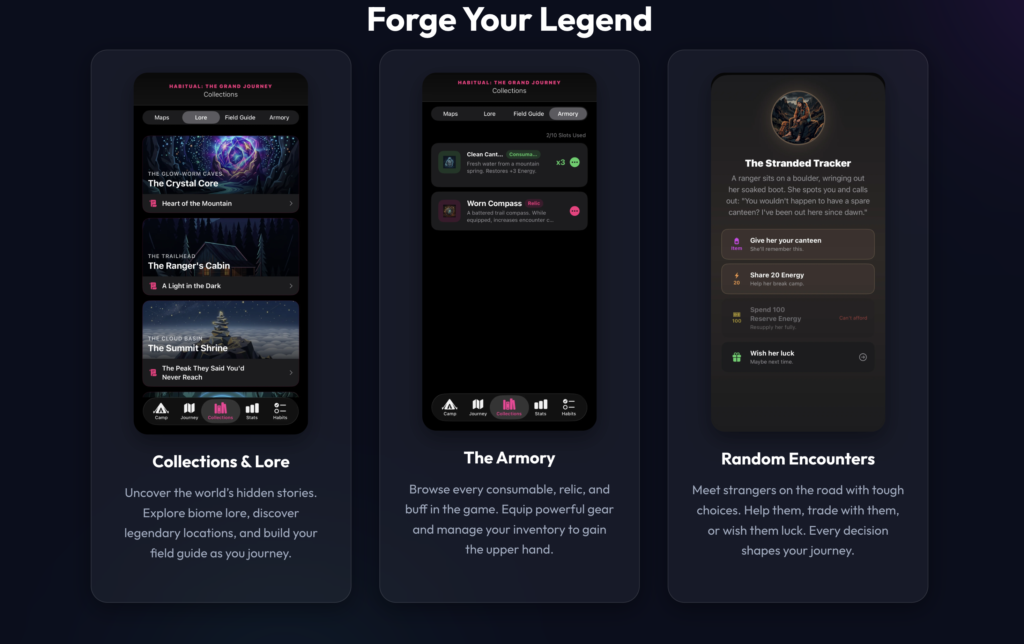
Habitual: The Grand Journey is a habit tracker that feels like an RPG. You complete habits to move along a visual adventure map with random encounters and loot drops. No streak punishment. No guilt. It went live on the App Store in June 2026.
Mana: Focus Evolved is a gamified focus app that rewards you for staying off your phone. Instead of killing trees or locking you out, you build willpower through focus sessions and evolve creatures. The beta opened on TestFlight this week.
Three apps in roughly three years of learning and building. That pace would not have been possible without AI coding agents, but not for the reason most people think.
What AI Is Actually Good At
After months of daily use, here is my honest take:
Good at: Explaining API behavior, suggesting Swift patterns, catching edge cases, reviewing code for bugs, helping with architecture decisions, and answering specific technical questions.
Bad at: Writing entire features from scratch, designing user interfaces, understanding your app’s full context, and making good judgment.
The biggest misconception is that AI can build your app for you. It cannot. What it can do is remove friction. When I get stuck on a SwiftData migration or a weird SwiftUI layout bug, I get an answer in seconds instead of spending an hour searching forums.
That time adds up. Over months, it means shipping features faster and spending less context-switching between coding and researching.
What Surprised Me
The skills system in Hermes was the feature I did not expect to use this much. I created reusable workflows for different tasks: an SEO specialist for keyword research, a brand reviewer for catching tone inconsistencies, and a content strategist for planning editorial calendars. They persist across sessions, and I can improve them when I find gaps.
I also did not expect the cross-platform continuity to matter as much as it does. I can work on my desktop during the day and pick up the same conversation from my phone via Telegram at night. No context lost.
The Honest Truth
AI coding agents are not magic. They make mistakes. They sometimes suggest incorrect Swift syntax or outdated API patterns. You still need to know enough to catch those mistakes.
But for a solo developer, removing enough friction can make a real difference. I am building 10 apps this year. I am three apps in and one in beta. I would not be anywhere close to that pace without them.
If you are a solo dev on the fence, try one. Not the one that promises to build your whole app for you. The one that helps you build it yourself, faster.
I write about iOS development, gamification, and building in public. If you want to follow the journey, join the softDev23 newsletter. No spam, just honest building.