
We’ve all been there. You decide to improve your life. You download a highly rated, super-minimalist habit-tracking app. For three days, you check off your goals with religious zeal. You’re flossing, you’re drinking water, you’re reading 10 pages a day. You have a shiny 3-day streak.
For the wider picture, see my roundup of the best gamified habit trackers for ADHD.
Then, life happens. You get home late, fall asleep on the couch, and miss a day.
The next morning, you open the app to find your streak is back to zero. A cold spike of guilt hits you. The streak anxiety sets in. Instead of feeling motivated, you feel judged. You close the app, ignore the next notification, and eventually delete it.
Standard habit trackers are built on a flawed psychological model: negative reinforcement and streak pressure. But for many people—especially those dealing with ADHD, executive dysfunction, or general burnout—this approach actually causes habit fatigue.
Here is why traditional trackers fail us, and how we can reprogram our brains to actually enjoy building habits using game design.
The Problem: Streak Anxiety & The Churn Loop
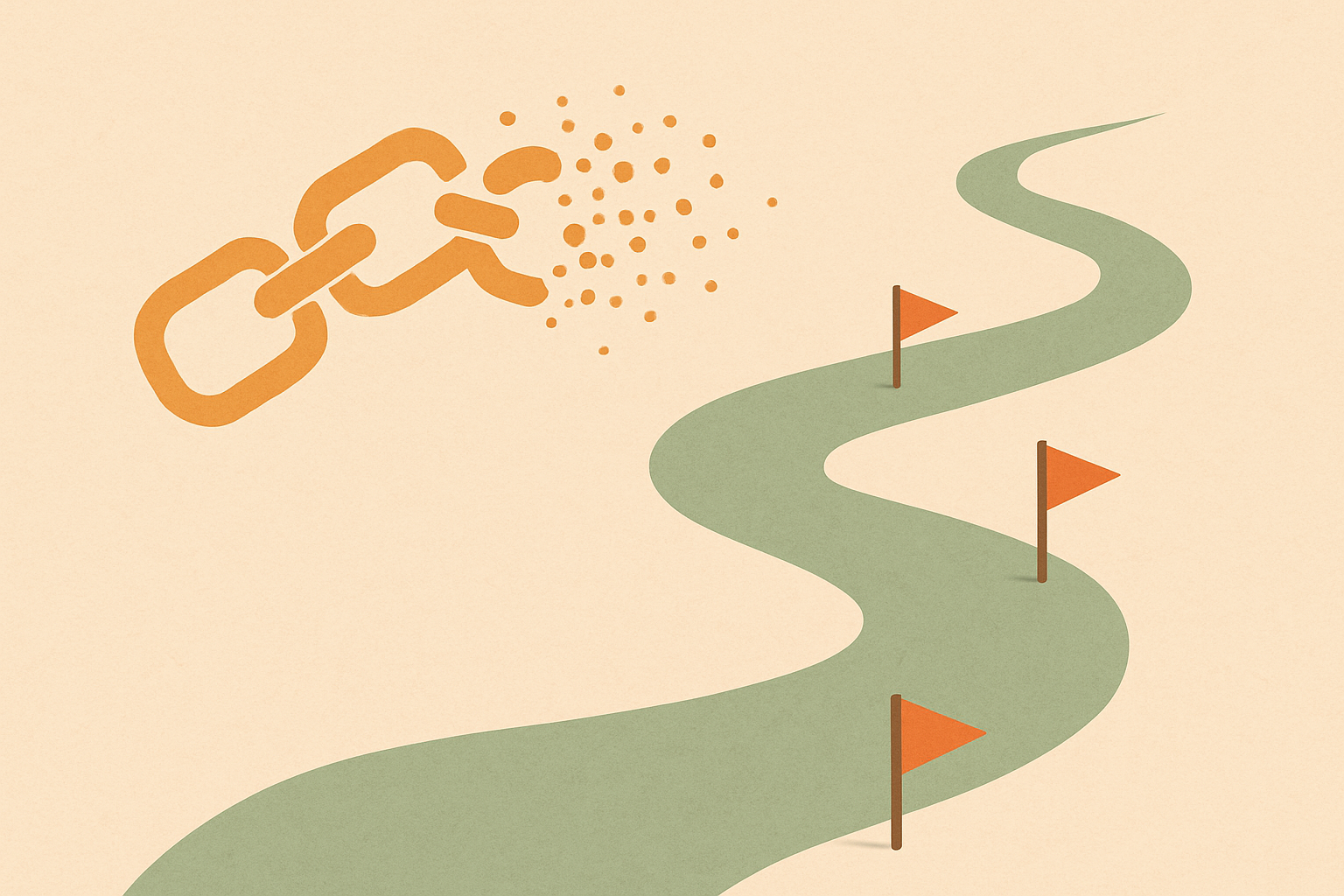
Most productivity tools treat habits like chores. They assume that if they show you a number (your “streak”) and threaten to destroy that number if you skip a day, you will be motivated.
But streak-based systems suffer from three major design flaws:
- All-or-Nothing Mentality: A single slip-up erases weeks of hard work. In the brain’s reward system, the punishment of losing a 30-day streak is far greater than the reward of reaching 31.
- Predictability Leads to Boredom: Tapping a checkbox is boring. The 100th tap feels exactly like the 1st tap. The human brain craves novelty, not just repetition.
- Friction and Guilt: When you fail, the app becomes a source of guilt. Humans naturally avoid things that make them feel bad, leading to high churn rates.
To build habits that actually stick, we need to replace streak anxiety with a dopamine engine—a system that rewards consistency without punishing real-life interruptions.
The Solution: Gamification and the Power of the RPG
Gamification isn’t just about adding badges or points to a screen; it’s about aligning your brain’s natural dopamine loops with your real-world goals. In video games, we happily perform repetitive tasks (grinding) because we know they lead to a reward: leveling up, finding rare loot, or exploring new areas.
What if we applied that exact psychological framework to flossing, working out, or drinking water?
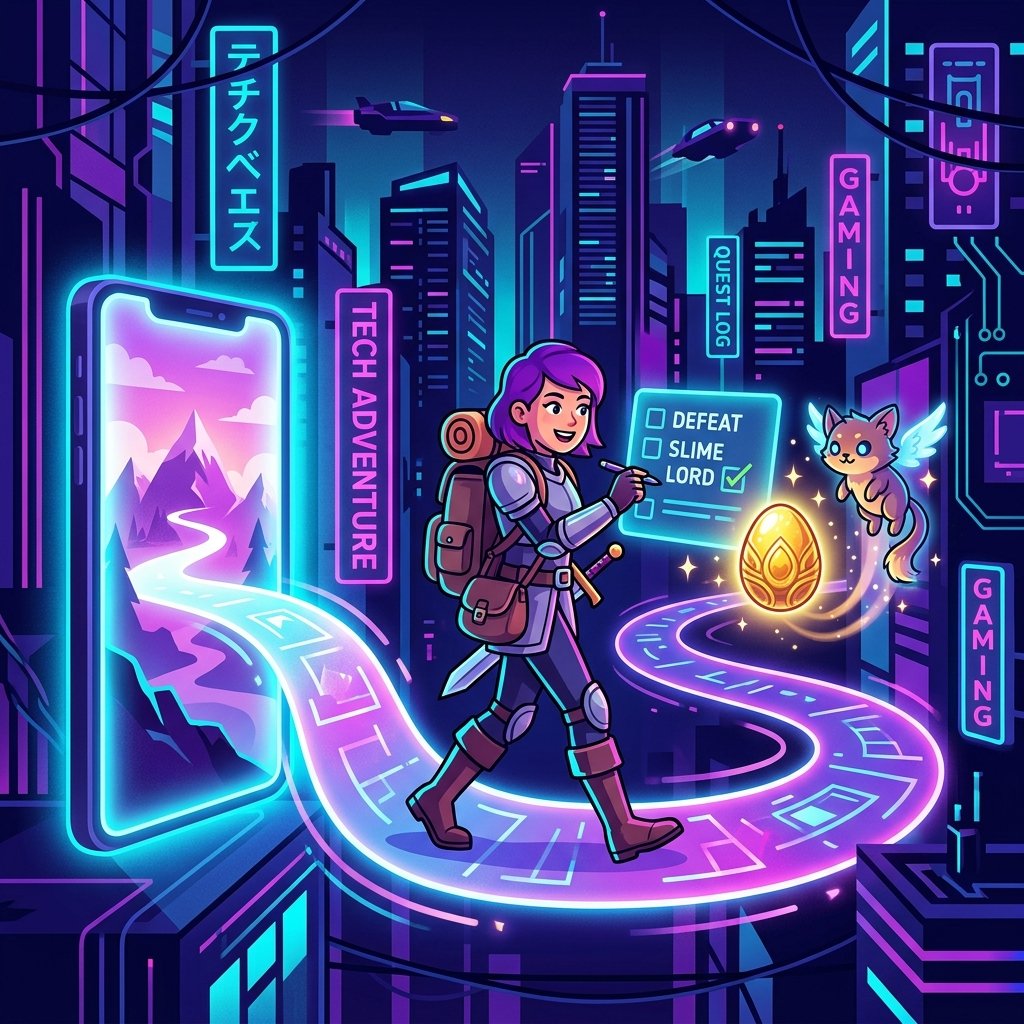
That is the exact philosophy behind Habitual: The Grand Journey. Instead of just checking off boxes on a spreadsheet-like list, completing your real-life habits moves a small avatar along an illustrated fantasy path through various biomes, turning your daily routine into a literal RPG adventure.
Here is how the dopamine engine works under the hood:
1. Zero-Punishment Streaks (The Expedition Streak)
In Habitual, if you miss a day, you do not lose your progress. You do not lose your accumulated distance, your items, or your levels. Instead, maintaining an “Expedition Streak” gives you a compounding bonus multiplier to your distance. If you miss a day, the multiplier simply resets, but your journey continues exactly where you left off. It’s positive reinforcement, not negative punishment.
2. Immersive Exploration and Random Encounters
Every check-in in Habitual earns you “Distance” units, physically advancing your character. The path is populated with points of interest (POIs) that yield caches of items upon reaching them.
But to keep the experience fresh, we introduced a “slot-machine” element of surprise: Random Encounters. While hiking through the Blackwood Forest, checking in has a random chance to trigger interactive events. You might meet a wandering traveler asking a trivia riddle, find a mysterious altar where you can trade energy for rare loot, or discover a companion egg. This element of unexpected reward is what makes games so addictive—and now it makes your habits addictive too.
3. The Loot Economy and Companion Hatchery
The rewards you earn on your trek aren’t just cosmetic. Caches contain card-based collectibles:
- Relics: Equippable passive items (like a Lodestone Shard that increases your random encounter rate).
- Companions (The Hatchery): Find rare eggs and maintain your streak to hatch unique pets that follow you on your map.
- Consumables: Items like a Clean Canteen to instantly boost your energy for a tough leg of the journey.
Suddenly, flossing your teeth isn’t a chore—it’s the final 10 steps you need to hatch a mystery egg. Drinking water isn’t an obligation—it’s earning the energy required to equip a rare relic.
Reclaiming Your Habits
If you’ve struggled to maintain habits in the past, stop blaming your willpower. The tools you were using were designed for spreadsheets, not human brains.
By shifting from a framework of guilt and streaks to one of exploration and reward, you can bypass executive dysfunction and build a routine that feels like play.
Are you ready to turn your daily routine into an epic trek? The journey is waiting.
Experience the RPG habit tracker built for native iOS performance.
👉 Explore Habitual: The Grand Journey and start your adventure today.