


I set out to organize some notes for my AI tools and ended up building the first version of an AI operating system in Obsidian. That was not the plan when I sat down. The plan was much smaller. I just wanted to stop explaining myself to every chatbot I opened.
If you use AI tools for real work, you know the tax I am talking about. Every new chat starts cold. I would explain who I am, what softDev23 is, which apps I am building, how I want writing to sound, and which rules should never be broken. Then I would switch tools and do the whole thing again. The context lived in my head and in scattered chat histories, which meant it effectively lived nowhere.
So on June 11, I started moving all of that into a single place: a Markdown folder inside my existing Obsidian vault. By the end of the day, it had turned into something more useful than a notes folder, and I started calling it AIOS.
Why I wanted an AI operating system in Obsidian
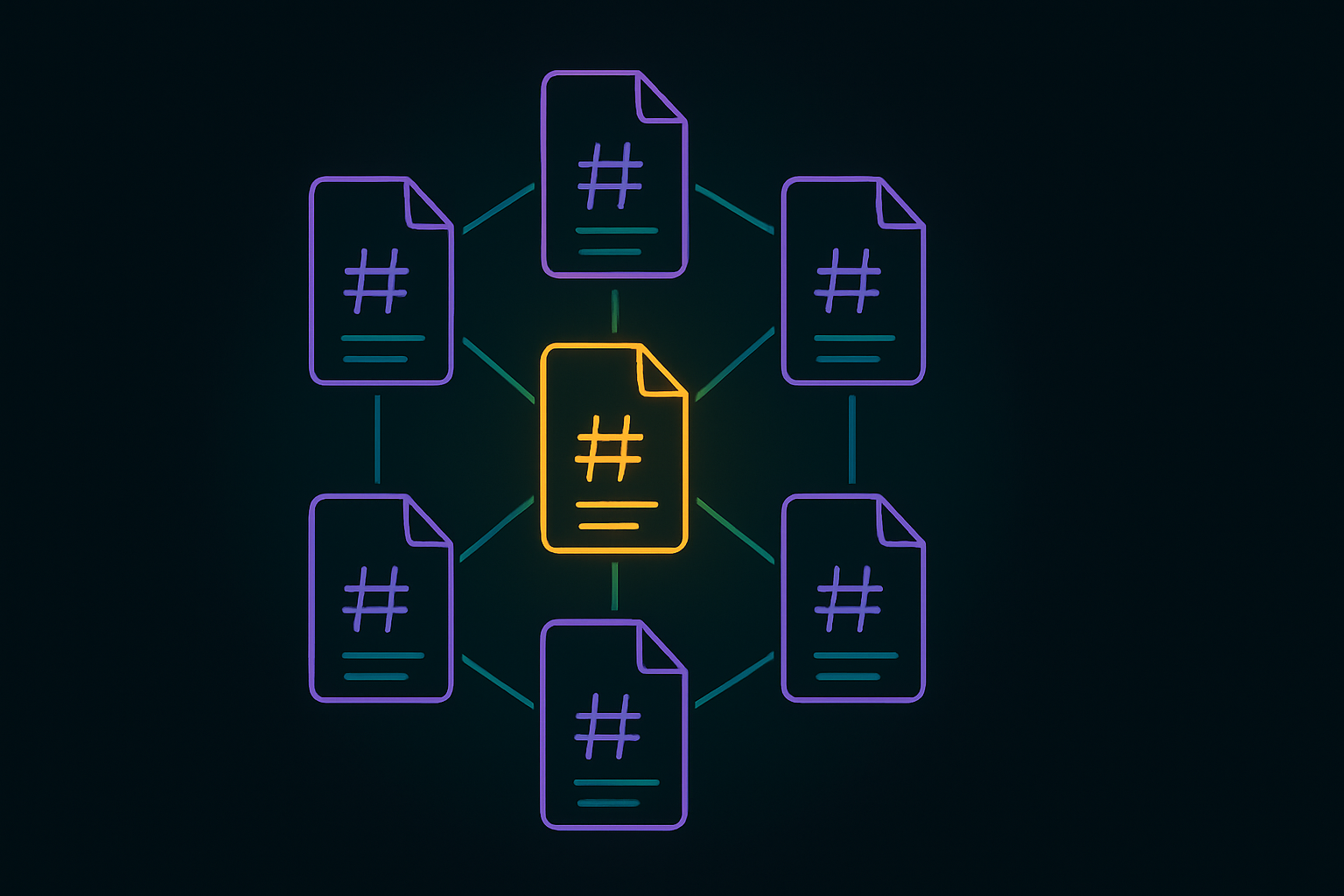
The goal was simple. I wanted one source of truth that any AI tool could read before it did anything.
Not memory inside one app. Not a pasted prompt I keep losing. Not a project file trapped in a single tool. A plain folder of Markdown files that ChatGPT, Claude, Codex, Hermes, or anything else could read so that none of them had to start from scratch.
Obsidian made sense because I already keep notes there, the files are just Markdown, and nothing is locked inside a proprietary format. If I want to hand a file to a coding agent or read it on my phone, it is the same plain text either way.
If you are still deciding where to build that vault, I compared the options in Anytype vs Obsidian and why plain files won for an AI second brain.
What the vault became
By the end of the day, the AIOS had a basic skeleton. The pieces matter less than the idea behind them, but here is what it held:
- me.md, the identity file. Who I am, what softDev23 is, what I am building, the tone I use, and the rules that are not up for debate.
- Vault Map, an index of what exists and where it lives.
- Skill Map, a list of each skill file and the single job it does.
- User Handbook, a short set of preferences that apply to all AI work.
- Skills, individual role files like content writer, SEO specialist, and SwiftUI coder. One file, one job.
- Systems, multi-step workflows like the blog post workflow and the app launch process.
- Working Notes, the messy middle where AI-generated drafts land before I review them.
- Reference and Archive, for background and older material.
None of these files are long. Most are one to three pages. The point was never to write an impressive document. The point was to give each piece a job so the system stops being a pile of prompts and starts being a workflow.
Hermes found a folder that did not exist
The most useful moment of the day was not me writing anything. It was an AI catching my own mistake.
I had Hermes review the vault, and it flagged a mismatch. The Vault Map said a Working Notes folder should exist. The folder did not actually exist. I had described the structure I wanted without building all of it.
That sounds minor, and the fix was minor. Codex then created the Working Notes area and added a README so the folder explained itself. But the moment mattered more than the fix. It showed that the AIOS could be audited, not just used to generate text. An AI read my own description of the system, compared it to reality, and told me where they did not match.
That is the difference between asking AI for words and giving AI a structure it can reason about. When the system is just a chat, nobody checks it. When the system is a set of files with a stated shape, the gap between what I said and what I built becomes visible.
The Metrics Log and a reality check from RevenueCat
The next piece was a Metrics Log. The idea was to stop hunting across five dashboards every time I wanted to know where things stand. App numbers, social numbers, email, revenue, and growth, all in one Markdown file that any AI could read before giving me advice.
The honest part of this story is what I learned while setting it up. I assumed I could eventually have automation pull aggregate revenue from RevenueCat and drop it into the log. It turns out RevenueCat does not simply hand over aggregate monthly recurring revenue the way I hoped through its API.
That is a small detail, but it changed how I think about automation. Plans need to be built on what tools actually allow, not on what I assume they allow. If I had designed a whole automated metrics brief around a number I could not pull, I would have built something that looked finished and quietly did not work. Better to find the wall on day one than after I have wired everything to it.
The moment it started to feel like more than notes
Somewhere in the middle of all this, the AIOS started to feel more useful than I expected. So I opened a Product Idea note and started writing down a question I did not have an answer to.
The question was whether something like this could become a public template or a small product someday. Other solo builders deal with the same context tax I do. A clean starting structure might save them the messy first version I was living through.
I want to be careful here. It is a note, not a plan, and definitely not a product. I wrote it down precisely because the AIOS is supposed to capture thoughts like this instead of letting them evaporate. If it goes nowhere, fine. If it turns into something, the note is where it started.
Practical takeaway
If you use AI tools for actual work, write down the context you keep repeating and put it somewhere every tool can read.
You do not need an elaborate system. You need a single source of truth. A small Markdown folder in Obsidian beats explaining your entire setup from scratch in every new chat. Start with an identity file and a short list of rules, then add structure only when you feel friction.
Two things made the biggest difference for me on day one:
- Giving each file one clear job, so the system does not turn into one giant instruction blob.
- Designing around real tool limits, like the RevenueCat constraint, instead of assumptions. A plan built on a number you cannot pull is not a plan.
And if you can, let an AI audit your structure, not just fill it with text. The Working Notes folder that did not exist was caught because the system was written down clearly enough to check.
Final reflection
I do not know yet whether my AIOS will become a product. For now, it is my way of making AI tools less forgetful and a little more useful. The work shifted from explaining myself over and over to managing a small system that explains me once.
That alone made the day worth it. The next problem was obvious by the end of it. A system that lets AI do work also needs rules about what AI is allowed to do on its own, which is where the next day went.